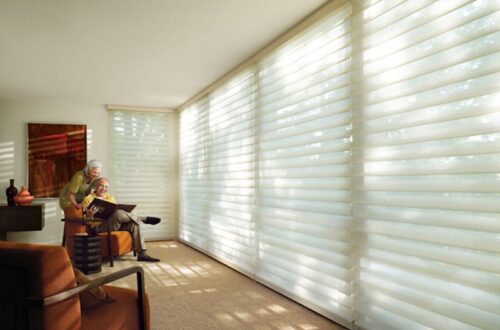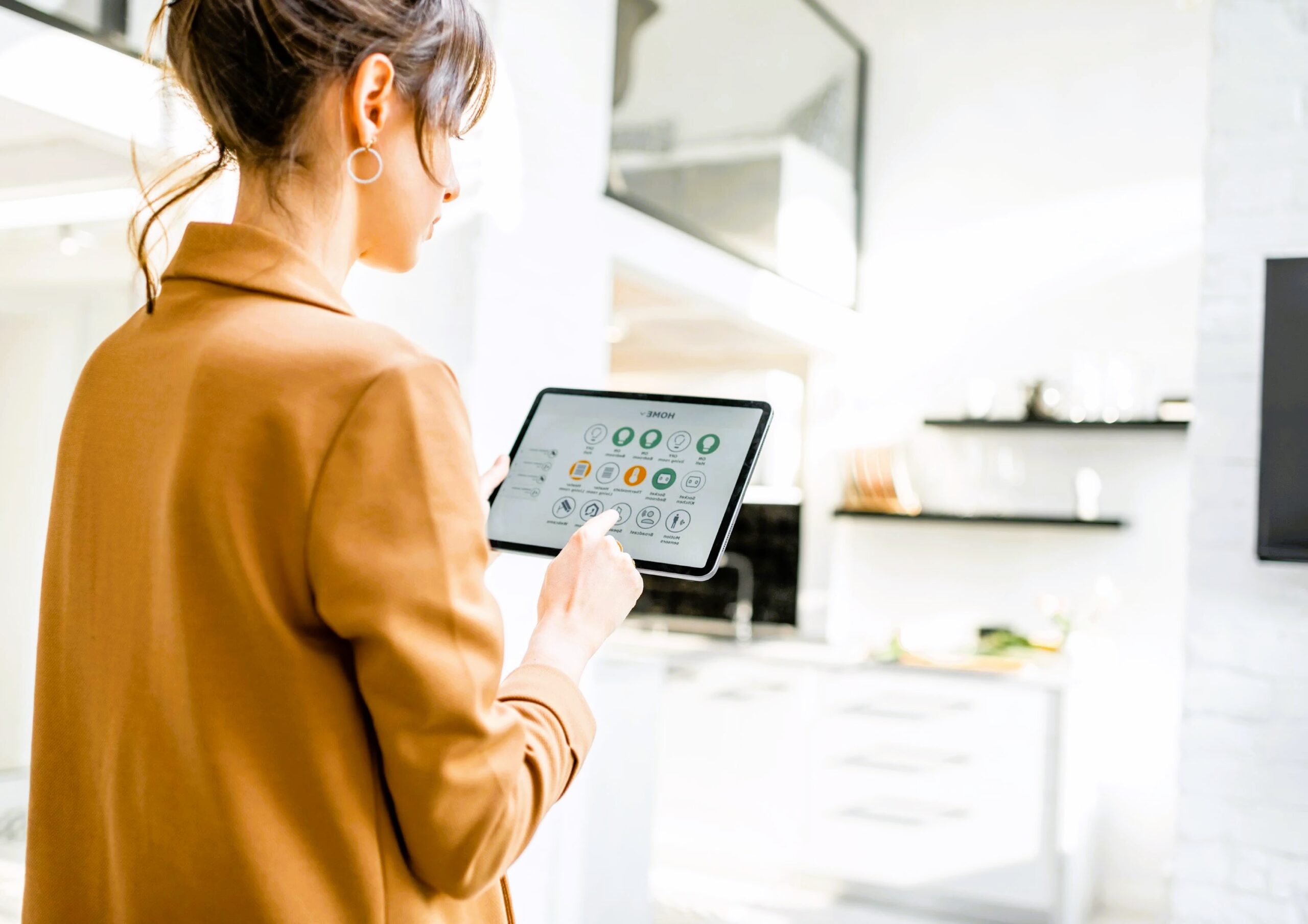
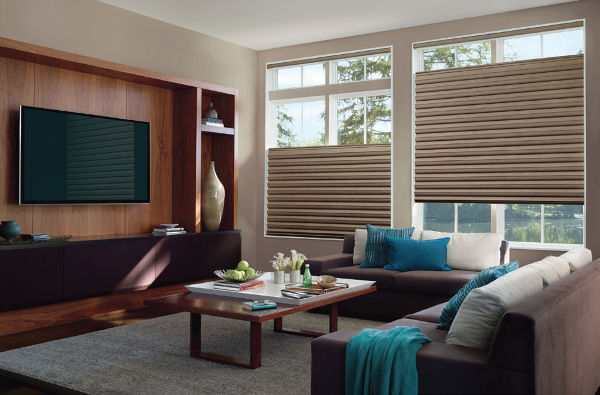
The first time I saw smart blinds in action was in a friend’s Montreal condo. At sunset, the living room shades lowered quietly on their own. No cords, no rushing to close everything before dinner. It felt surprisingly relaxing.
What are smart blinds?
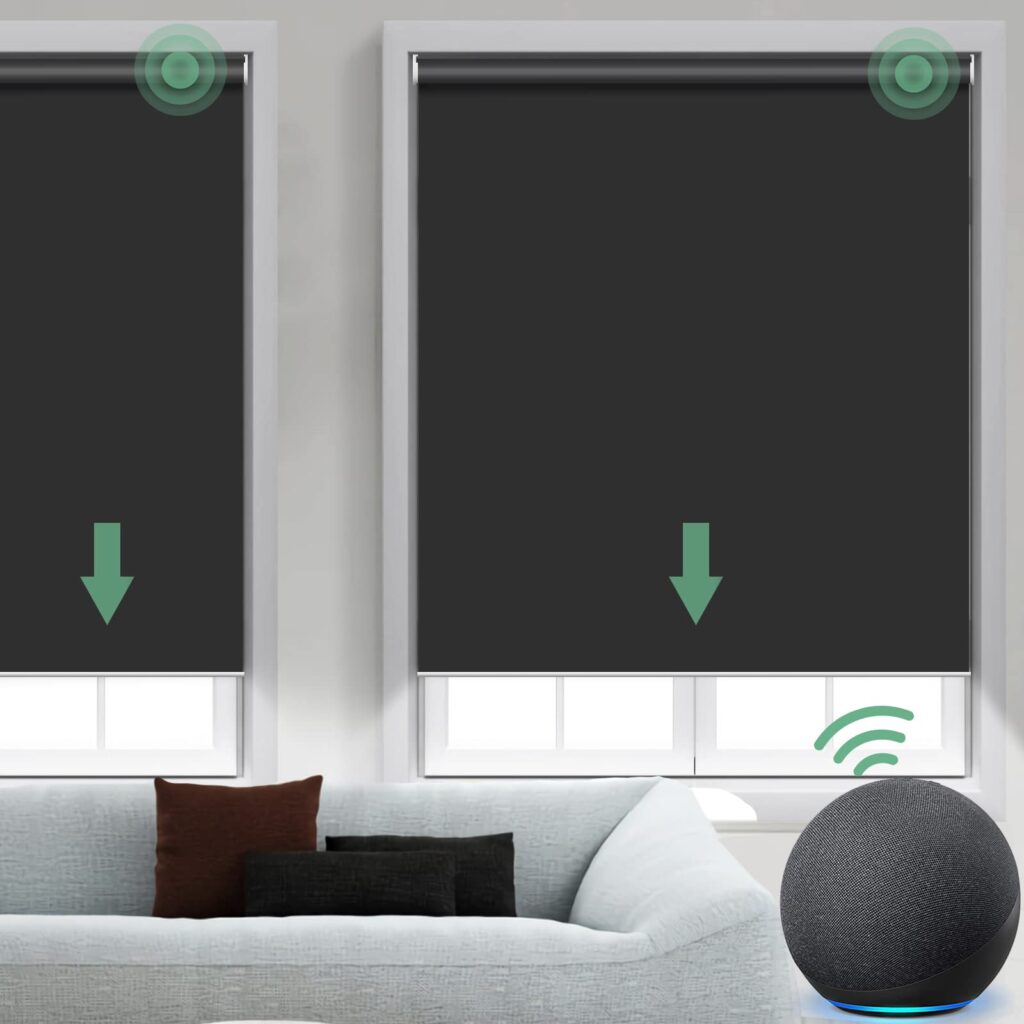
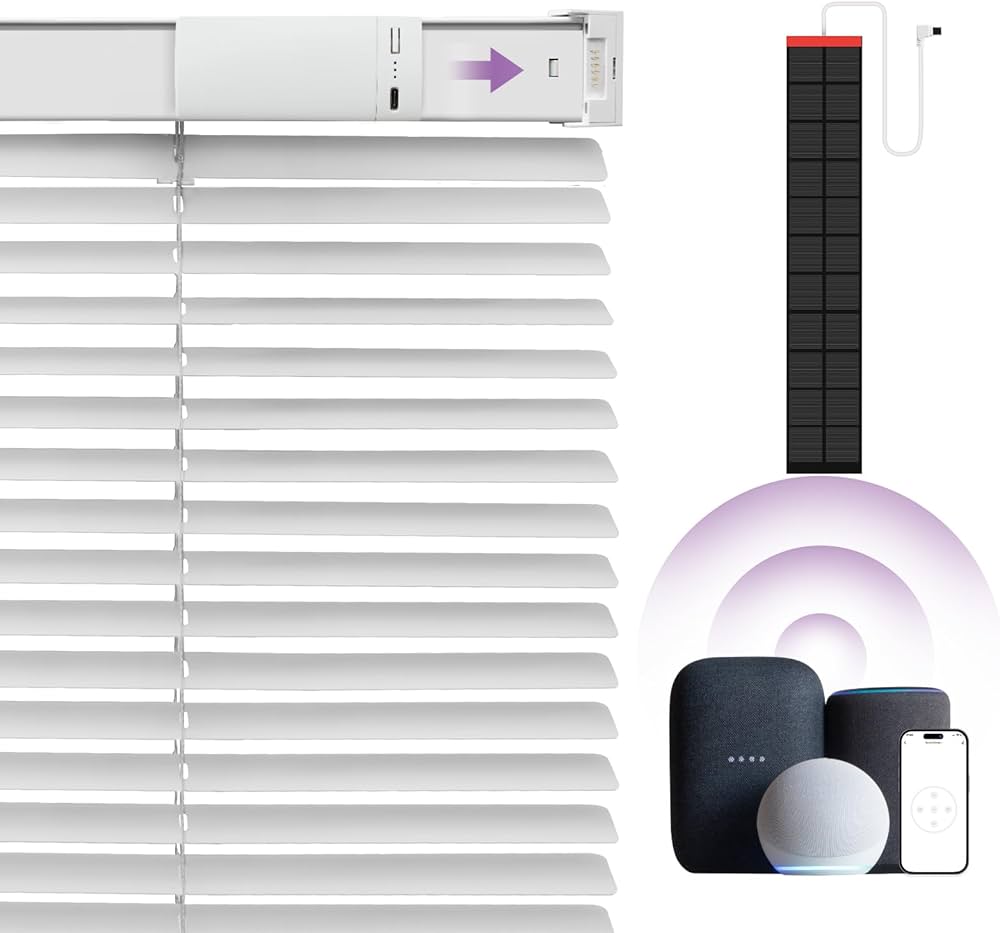
Smart blinds are best blinds or shades that can be controlled via remote, smartphone apps, voice assistants, or home automation systems. Instead of relying on manual chains or cords, they use motors and integrated controls to raise, lower, or tilt.
They can be rollers, romans, cellular shades, or other designs, as long as the lift or tilt mechanism is automated.
Why smart blinds make sense in Canada
Smart blinds are not only about convenience. In a climate with strong seasonal changes, automation lets you:
- Close blinds on winter nights to reduce heat loss
- Open them automatically on sunny mornings to take advantage of passive solar gain
- Lower them on hot summer afternoons to reduce overheating and cooling demand
This combination of comfort and efficiency makes them a logical upgrade for connected homes.
How to choose smart friendly blinds
- Decide your control system
- Standalone remote only
- Smartphone integration
- Full smart home platform
- Check compatibility
- Make sure motors and hubs work with your existing or planned automation system.
- Focus on fabric and performance
- Smart controls are helpful, but you still need good insulating or solar control fabrics where appropriate.
- Plan for safety and regulations
- Motorized blinds naturally avoid accessible cords and can help you comply with Canadian rules around corded coverings, which are designed to prevent child strangulation.
custom blinds that integrate motors from the start often look cleaner than retrofitted systems.
Common mistakes to avoid
- Choosing smart motors but ignoring window performance or fabric quality
- Forgetting about power access for charging or wired systems
- Overcomplicating automations instead of starting with simple schedules
- Ignoring manual override options for guests or family members
In my friend’s condo, the first setup had blinds closing too early in winter, making the space feel like a cave. A small adjustment to the schedule fixed it.
FAQ
What should I consider first when choosing the best blinds for a smart home?
Start with how you want to control them and what problem you are solving: energy savings, privacy, glare control, or all of the above.
Are smart blinds more efficient than regular ones?
They can be, because automation makes it easier to use them in ways that save energy, such as closing at night and opening at the right time in the morning.
What are the pros and cons of motorized blinds?
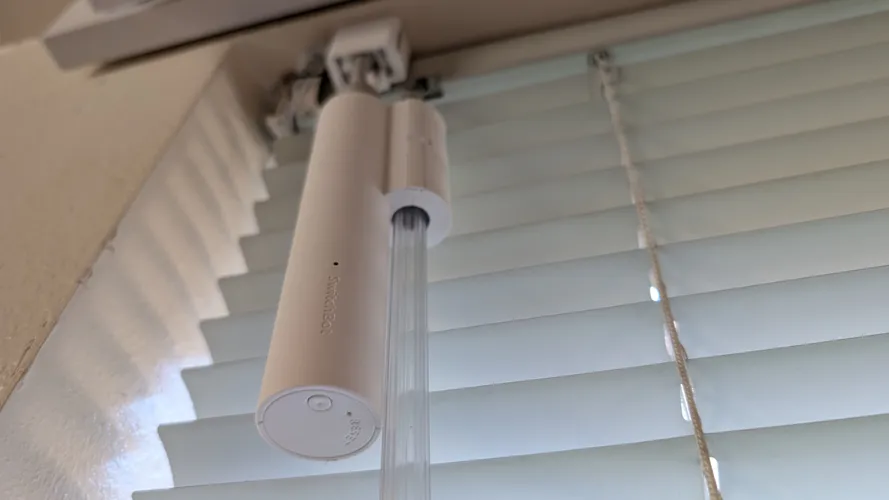
Pros: no cords, better safety, easier control, and integrated schedules. Cons: higher cost, need for power, and more complex setup.
Conclusion For Canadian homeowners who already use smart thermostats and lighting, smart blinds are a natural next step. The best blinds for a connected home combine good fabrics, solid hardware, and thoughtful automation, helping you stay comfortable in every season while quietly supporting energy efficiency and safety behind the scenes.